The Ultimate Guide to Airfare Search Engines: Finding the Best Deals in the Skies
In the ever-evolving world of travel, securing the most affordable airfare can often feel like a complex puzzle. With countless airlines, routes, and fluctuating prices, navigating the landscape can be daunting. Thankfully, airfare search engines have emerged as indispensable tools for savvy travelers. Flightticketbooking.co.in has diligently compiled this ultimate guide to empower you with the knowledge to navigate the world of airfare search engines and unlock the best deals for your next adventure.
What is an Airfare Search Engine?
At its core, an airfare search engine is a specialized online platform designed to aggregate flight information from a vast array of sources. These sources include:
- Airlines Directly: Many search engines directly access airline databases to display real-time availability and pricing.
- Online Travel Agencies (OTAs): OTAs like Expedia, Booking.com, and Kayak are major sources of flight information for search engines.
- Global Distribution Systems (GDS): GDS are massive computerized networks that contain information on flights, hotels, and car rentals.
By consolidating data from these sources, airfare search engines provide users with a centralized location to compare prices, routes, and flight options from multiple airlines simultaneously. This eliminates the need to visit individual airline websites or sift through countless OTA pages manually.
Why Use an Airfare Search Engine?
The benefits of using an airfare search engine are numerous:
- Time Savings: Instead of spending hours searching individual airline websites, a search engine presents all available options in seconds.
- Price Comparison: Easily compare prices across multiple airlines and OTAs to identify the lowest fares.
- Comprehensive Options: Access a wider range of flight options, including different airlines, routes, and layover combinations.
- Deal Discovery: Many search engines highlight special deals, discounts, and promotional fares.
- Flexibility: Filter and sort results based on preferences such as price, duration, number of stops, and airline.
- Price Alerts: Track price fluctuations and receive notifications when fares drop for your desired flights.
Top Airfare Search Engines in the Market
The airfare search engine landscape is competitive, with numerous platforms vying for the attention of travelers. Here’s an overview of some of the most popular and effective options:
- Google Flights: Google Flights is renowned for its speed, comprehensive search capabilities, and user-friendly interface. It allows you to explore fares across a calendar view, identify the cheapest dates to fly, and track prices for specific routes. Google Flights doesn’t sell tickets directly; instead, it directs you to the airline or OTA to complete the booking.
- Kayak: Kayak is a versatile search engine that compares prices from hundreds of airlines and travel sites. It offers a range of filtering options, including the ability to search for flights with specific layover durations or preferred airports. Kayak also features a "Hacker Fare" option, which combines one-way tickets from different airlines to potentially save money.
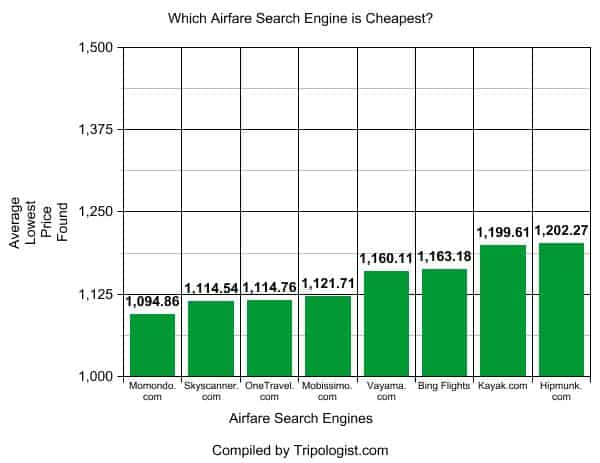
- Skyscanner: Skyscanner is known for its global reach and its ability to search for flights to "Everywhere." This feature is particularly useful for travelers who are open to exploring different destinations based on the cheapest available fares. Skyscanner also offers price alerts and a monthly calendar view to identify the most affordable travel dates.
- Momondo: Momondo distinguishes itself with its visually appealing interface and its ability to search for flights from smaller, regional airlines. It also provides price insights and predictions to help you determine the best time to book your flights.
- Expedia: While Expedia is primarily an OTA, its search engine is robust and comprehensive. It allows you to bundle flights with hotels and car rentals to potentially save money on your overall travel expenses. Expedia also offers a rewards program that allows you to earn points on your bookings.
- Priceline: Priceline is known for its "Name Your Own Price" feature, which allows you to bid on flights and potentially secure a lower fare. However, this option comes with some limitations, as you won’t know the exact flight details until your bid is accepted. Priceline also offers a "Price Match Guarantee" to ensure you’re getting the best deal.
Tips for Using Airfare Search Engines Effectively
To maximize your chances of finding the best airfare deals, consider these tips:
- Be Flexible with Your Travel Dates: If possible, adjust your travel dates by a few days or weeks. Flying on weekdays or during off-peak seasons can often result in significant savings.
- Consider Alternative Airports: Explore flying into or out of nearby airports. Smaller airports may offer lower fares than major hubs.
- Set Price Alerts: Utilize the price alert feature to track fare fluctuations and receive notifications when prices drop.
- Search in Incognito Mode: Some airlines and OTAs may track your search history and increase prices accordingly. Searching in incognito mode can help prevent this.
- Clear Your Cookies and Cache: Similar to incognito mode, clearing your cookies and cache can help ensure you’re seeing the most accurate prices.
- Book in Advance (But Not Too Early): Generally, booking flights several weeks or months in advance can result in lower fares. However, booking too early (e.g., more than six months in advance) may not always be the best strategy.
- Consider Connecting Flights: Non-stop flights are typically more expensive than connecting flights. If you’re willing to endure a layover, you can often save money.
- Check Budget Airlines: Don’t overlook budget airlines, such as Southwest, Spirit, or Frontier. While they may charge extra for baggage and other amenities, their base fares can be significantly lower.
- Be Aware of Hidden Fees: Pay close attention to baggage fees, seat selection fees, and other potential add-on costs. These fees can quickly add up and negate any savings you may have found on the base fare.
- Read Reviews: Before booking with an unfamiliar airline or OTA, read reviews from other travelers to get an idea of their experiences.
The Future of Airfare Search Engines
Airfare search engines are constantly evolving to meet the needs of travelers. Here are some trends to watch for:
- AI-Powered Personalization: Search engines are increasingly using artificial intelligence to personalize search results and provide recommendations based on individual preferences and travel patterns.
- Enhanced Price Prediction: AI is also being used to predict future fare fluctuations with greater accuracy, helping travelers determine the optimal time to book.
- Integration with Other Travel Services: Search engines are integrating with other travel services, such as hotels, car rentals, and activities, to provide a more comprehensive travel planning experience.
- Mobile-First Design: With the increasing use of mobile devices, search engines are prioritizing mobile-first design to ensure a seamless user experience on smartphones and tablets.
Conclusion
Airfare search engines are indispensable tools for modern travelers, empowering them to find the best deals in the skies. By understanding how these platforms work and following the tips outlined in this guide, you can navigate the complexities of airfare pricing and secure the most affordable flights for your next adventure. Happy travels!