Decoding the Dynamics of International Ticket Prices
In the ever-evolving world of travel, one aspect remains a constant source of intrigue and, at times, frustration: the price of international flight tickets. Navigating the complexities of airfare can feel like deciphering a secret code, with prices fluctuating based on a myriad of factors. Whether you’re a seasoned globetrotter or planning your first overseas adventure, understanding the dynamics of international ticket pricing is essential for securing the best possible deal. At flightticketbooking.co.in, we strive to empower travelers with the knowledge and tools to navigate this landscape effectively.
The Core Components of an International Ticket Price
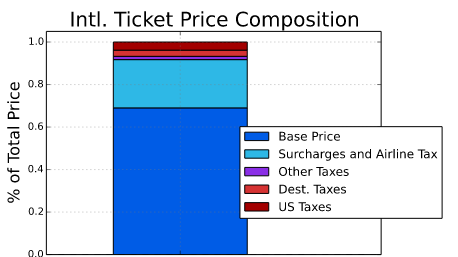
To truly understand why international ticket prices fluctuate, it’s crucial to dissect the components that make up the final fare. These include:
-
Base Fare: This is the fundamental price set by the airline for a seat on a specific flight. It’s influenced by factors like the airline’s operating costs, competition on the route, and the demand for the flight.
-
Taxes and Fees: A significant portion of an international ticket price comprises taxes and fees levied by governments, airport authorities, and other regulatory bodies. These can include:
- Airport Taxes: Charges imposed by airports for the use of their facilities and services.
- Security Fees: Fees to cover the costs of security measures at airports.
- Passenger Service Charges: Charges for services provided to passengers, such as baggage handling and check-in.
- Government Taxes: Taxes levied by the governments of the departure and arrival countries.
- Fuel Surcharges: While often included in the base fare now, these were historically separate charges to account for fluctuations in jet fuel prices.
-
Airline Surcharges: Airlines may also add surcharges to cover specific costs, such as insurance or handling fees.
Factors Influencing International Ticket Prices
Beyond the core components, numerous factors can exert a significant influence on international ticket prices. Understanding these factors can help you anticipate price fluctuations and plan your bookings accordingly.
-
Seasonality and Demand: This is perhaps the most significant driver of price fluctuations. During peak travel seasons (e.g., summer holidays, Christmas, major festivals), demand for flights soars, leading to higher prices. Conversely, during off-peak seasons, airlines often offer discounted fares to attract travelers.
-
Day of the Week and Time of Day: Historically, mid-week flights (Tuesday and Wednesday) and flights at less popular times (e.g., early morning or late night) have tended to be cheaper. While this isn’t always the case, it’s worth considering when searching for flights.
-
Booking Time: Airlines often use dynamic pricing strategies, adjusting prices based on real-time demand. Booking well in advance (typically 2-3 months for international flights) can sometimes secure lower fares. However, last-minute deals can also emerge if airlines need to fill empty seats.
-
Airline Competition: The level of competition on a particular route can significantly impact prices. If multiple airlines operate on the same route, they may engage in price wars to attract customers, leading to lower fares. Conversely, if only one or two airlines dominate a route, they may have more pricing power.
-
Fuel Prices: While fuel surcharges are often integrated into the base fare, fluctuations in jet fuel prices can still affect overall ticket prices. When fuel prices rise, airlines may pass on some of the cost to consumers through higher fares.
-
Economic Conditions: Economic factors, such as inflation, currency exchange rates, and overall economic growth, can also influence international ticket prices. A strong economy can lead to increased demand for travel, driving up prices, while a weak economy can have the opposite effect.
-
Political and Social Events: Major political or social events, such as elections, international conferences, or sporting events, can impact travel demand and, consequently, ticket prices.
-
Airline Alliances and Partnerships: Airlines often form alliances or partnerships to share routes, resources, and marketing efforts. These collaborations can sometimes lead to more competitive pricing or, in some cases, reduced competition and higher fares.
-
Stopovers and Connecting Flights: Direct flights are typically more expensive than flights with stopovers or connecting flights. If you’re willing to endure a longer travel time, opting for a flight with one or more stopovers can often save you money.
-
Advance Purchase Requirements: Some airlines offer discounted fares for tickets purchased well in advance, often with specific restrictions on changes or cancellations.
-
Special Events and Promotions: Airlines frequently run special promotions, such as seasonal sales, flash sales, or discounts for specific destinations. Keeping an eye out for these promotions can help you snag a great deal.
Strategies for Finding the Best International Ticket Prices
Now that you understand the factors that influence international ticket prices, here are some strategies for finding the best possible deals:
-
Be Flexible with Your Travel Dates: If possible, be flexible with your travel dates. Traveling during off-peak seasons or on less popular days of the week can significantly reduce your ticket price.
-
Consider Alternative Airports: Flying into or out of a smaller or less popular airport can sometimes be cheaper than using a major international hub.
-
Use Flight Comparison Websites: Utilize flight comparison websites to search for flights from multiple airlines and travel agencies simultaneously. This will help you compare prices and find the best available deals.
-
Set Up Price Alerts: Many flight comparison websites allow you to set up price alerts for specific routes. You’ll receive notifications when the price of a flight changes, allowing you to book when the price is right.
-
Book in Advance (or Last Minute): As a general rule, booking 2-3 months in advance is often a good strategy for international flights. However, keep an eye out for last-minute deals, especially if you’re flexible with your travel dates.
-
Consider Connecting Flights: If you’re willing to endure a longer travel time, consider flights with stopovers or connecting flights. These can often be significantly cheaper than direct flights.
-
Be Open to Different Airlines: Don’t be afraid to fly with a budget airline or an airline you’re not familiar with. Sometimes, lesser-known airlines offer the best deals.
-
Clear Your Browser Cookies: Airlines and travel websites sometimes track your browsing history and may increase prices if they see you’ve been searching for a particular flight repeatedly. Clearing your browser cookies can help prevent this.
-
Consider Package Deals: Sometimes, booking your flight and hotel together as a package deal can save you money.
-
Sign Up for Airline Newsletters: Subscribe to airline newsletters to receive notifications about special promotions and discounts.
The Future of International Ticket Pricing
The world of international ticket pricing is constantly evolving, with new technologies and strategies emerging all the time. Some trends to watch out for include:
-
Personalized Pricing: Airlines are increasingly using data analytics to personalize pricing based on individual customer preferences and behavior.
-
Dynamic Pricing Algorithms: Sophisticated algorithms are being used to adjust prices in real-time based on demand, competition, and other factors.
-
Blockchain Technology: Blockchain technology has the potential to revolutionize the airline industry by streamlining ticketing processes and reducing fraud.
-
Sustainable Aviation: As concerns about climate change grow, airlines are investing in sustainable aviation technologies, which could impact ticket prices in the long run.
In Conclusion
Navigating the complexities of international ticket prices requires a combination of knowledge, strategy, and a bit of luck. By understanding the factors that influence prices and employing effective booking strategies, you can increase your chances of securing the best possible deal for your next international adventure. Remember to visit flightticketbooking.co.in for expert guidance and resources to help you plan your trip.